The National Tree Day team are firm believers that nature is not just something we visit in national parks or when on holiday – it’s right outside your door! Small native plantings create vital habitat for birds, insects and more, and they’re proven to boost our own wellbeing, too.
Register Your Planting
Your home planting can be counted in the National Tree Day tally! Register your planting here to add your impact to national results.
{{ pledgeFormStatus }}
Top Planting Tips
Tap or click a card to flip it over for the full tip.
Choose indigenous plants whenever possible
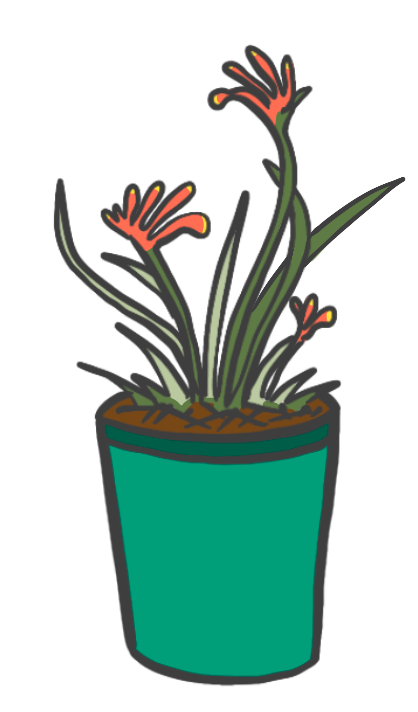
These plants are native to your area and therefore adapted to the local conditions and climate, meaning they will need less maintenance and have higher rates of survival. Local species are also more appropriate food and shelter for native wildlife. Luckily, many native species have stunning shapes and forms and vibrant, showy flowers.
Plant multiple growth forms (e.g. shrubs, grasses, trees)
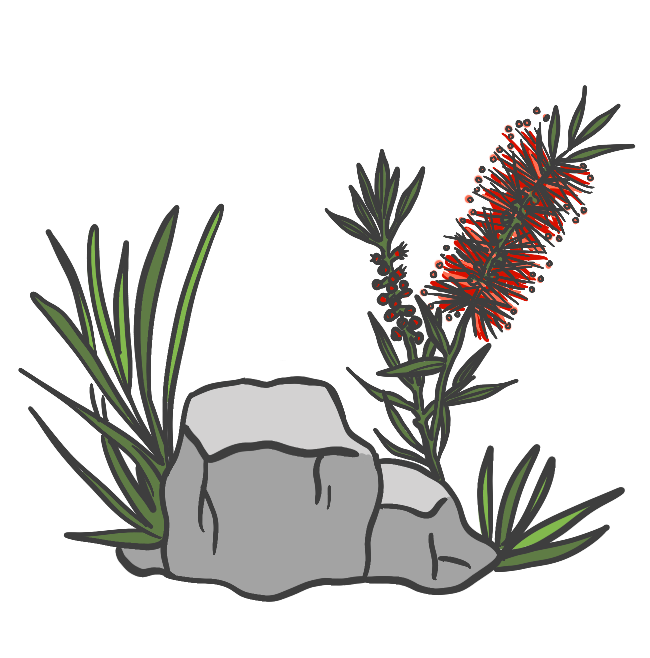
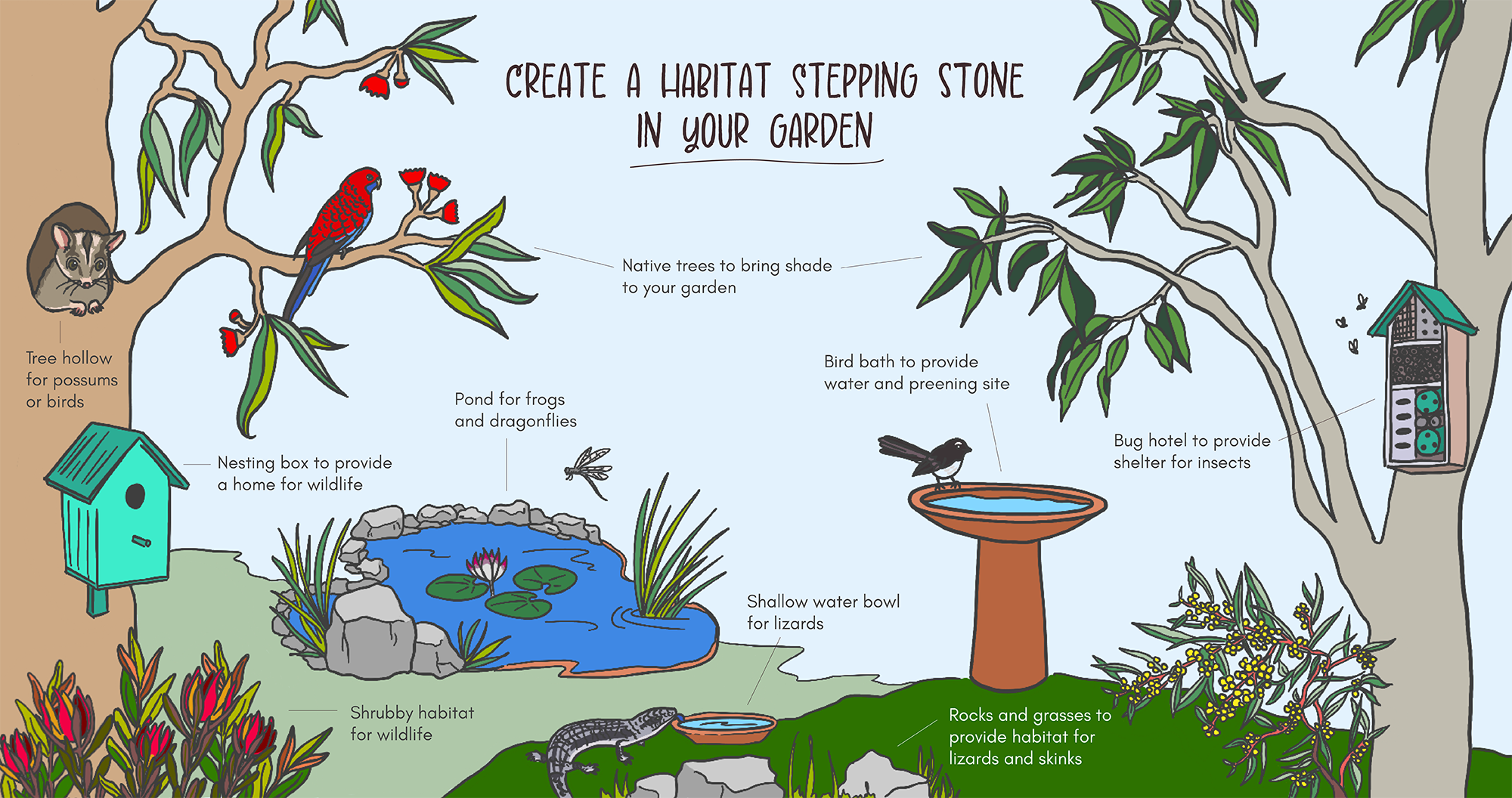
Create ‘layers’ in your garden by including trees, shrubs, grasses and groundcovers. Trees are important for providing shade and creating habitat, but other layers are just as important. A dense shrubby layer provides crucial habitat for small birds, and a well-developed ground layer provides habitat for smaller creatures such as lizards and skinks.
Provide water and shelter
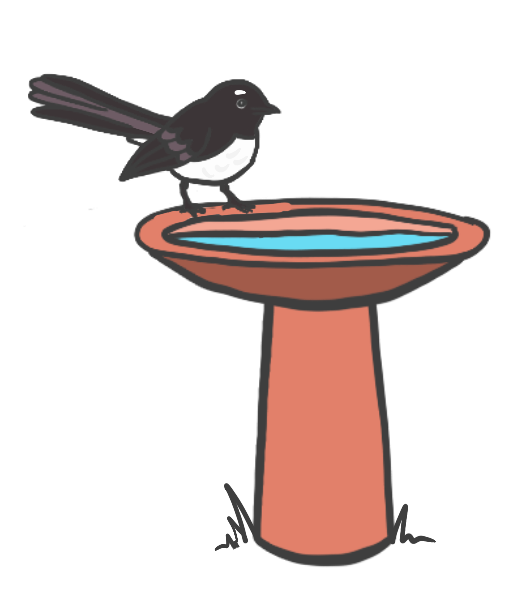
Whilst planting a diversity of native plants is important for creating habitat and providing food for a wide range of native animals, there are additional steps you can take to maximise environmental outcomes. You might add a water source, such as a bird-bath or pond, provide some rocks or stones for lizards, or create a bug hotel for native bugs and bees.
Create habitat stepping-stones